Folk Border Embroidery Design Review
As we approach the busiest season of the year, every stitch counts. For those of us running small embroidery businesses or crafting handmade gifts, the difference between a product that sits on the shelf and one that flies off the virtual rack often comes down to the right design choice. I recently took a close look at the Folk Border Embroidery Design, evaluating it specifically for its potential in our upcoming holiday collections. This isn't just about aesthetics; it is a practical assessment of how this pattern performs when translated into real-world products for eager customers.
Capturing the Seasonal Spirit
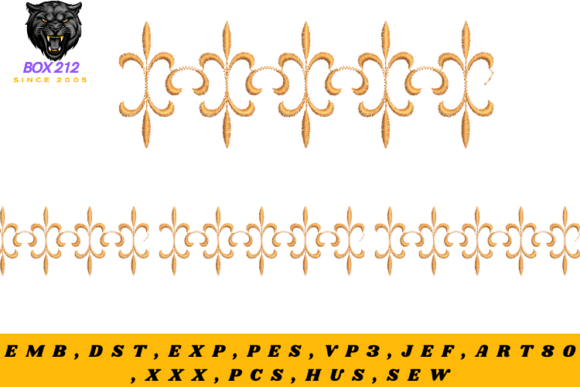
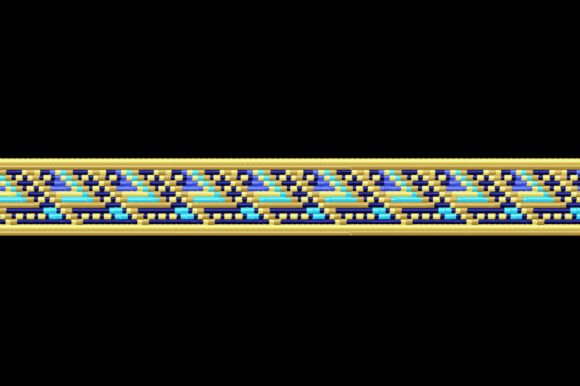
The first impression of the Folk Border Embroidery Design is one of warm nostalgia. In a market saturated with overly modern or generic holiday motifs, this pattern stands out by tapping into a timeless, rustic charm. It feels cozy yet elegant, perfectly suited for the emotional tone of the holidays. The decorative style suggests tradition without feeling dated, making it versatile enough for a wide range of demographics. Whether you are targeting grandparents looking for heirloom-quality items or younger shoppers seeking that "cottage-core" aesthetic, this design bridges the gap beautifully.
The detail level is impressive. It strikes a balance where the motif is intricate enough to look premium but not so dense that it becomes stiff or prone to puckering. This makes it an excellent candidate for seasonal embroidery projects where texture and drape are crucial. When I visualize this on a product line, I see immediate potential for creating a cohesive brand story centered around warmth, family, and handcrafted quality.
Strategic Product Applications
When planning a seasonal shop collection, versatility is key. Here is how I see the Folk Border Embroidery Design performing across various product categories:
- Sweatshirt Embroidery: Placed along the hemline or cuffs of a neutral-toned sweatshirt, this border adds a sophisticated touch to casual wear. It transforms a basic garment into a limited-edition holiday piece.
- Kitchen Towel Embroidery: This is perhaps the strongest use case. A floral or geometric folk border runs perfectly along the end of a linen or cotton towel, creating an instant bestseller for hostess gifts.
- Tote Bag Design: For eco-conscious shoppers, applying this pattern to the bottom third of a canvas tote creates a grounded, artistic look that holds up well to daily use.
- Pillow Covers: Framing a pillow cover with this design elevates home decor instantly. It works particularly well for "matching set" bundles sold during the holidays.
- Aprons and Table Linens: The horizontal nature of a border design is naturally suited for aprons and table runners, adding a festive frame to functional items.
- Embroidered Patches: If stitched on a separate backing, these can be sold as iron-on patches, allowing customers to customize their own jackets or bags.
For Etsy sellers and craft fair vendors, the ability to create "family matching" items or gift bundles using a single, recognizable motif cannot be overstated. It builds visual recognition and encourages multiple purchases.
Navigating Technical Challenges
While the aesthetic appeal is high, a professional review must address the technical realities of machine embroidery. There are specific scenarios where the Folk Border Embroidery Design requires careful handling:
- Hoop Size Limitations: As a border, the length of the design may exceed standard small hoops. You must confirm the hoop size requirements before committing to a project. If the design is continuous, ensure your machine supports large formats or plan for seamless re-hooping techniques.
- Fabric Texture and Thickness: On thick towels or heavy fleece, the stitch density might need adjustment. High density on bulky fabric can lead to registration issues or needle breakage.
- Dark Fabric Considerations: If stitching on dark garments, the color palette of the original file may need tweaking. Lighter thread colors might require an underlay adjustment to prevent the fabric from showing through gaps.
- Stretchy Garments: Applying a dense border to stretchy knits without proper stabilization can result in distortion over time. Always test on a scrap piece of the actual garment fabric.
- Metallic Thread: While metallic threads can enhance the festive look, they can be temperamental with complex details. If the design has very tight turns, standard rayon or polyester threads might yield a cleaner finished product.
It is vital to remember that every machine and fabric combination reacts differently. What looks perfect on a digital mockup might behave differently on a textured waffle weave or a slippery satin.
Boosting Buyer Emotion and Sales
In the context of holiday embroidery, buyer emotion drives sales. The Folk Border Embroidery Design excels here because it evokes a sense of care and craftsmanship. When a customer sees a consistent border motif across your social media previews and printable promotional graphics, it signals a curated, thoughtful collection. This consistency builds customer trust.
Furthermore, this design enhances the perceived value of the finished product. A simple tote bag becomes a "designer item" with the addition of this folk art element. For small shop product lines, this means you can command a higher price point compared to unadorned blanks. The "giftability" factor is also heightened; items featuring this design feel ready to give, reducing the mental load for the shopper who is hunting for the perfect personalized gift.
Essential Designer Notes for Success
Before adding this digital embroidery file to your production queue, here are my top recommendations for ensuring commercial success:
- Test Thread Colors: Always stitch a sample on both light and dark fabrics. The contrast changes the entire mood of the folk pattern.
- Check Stitch Density: Review the file settings. If the density is too high for your intended fabric, consider editing the file to reduce bulk and improve drape.
- Use Proper Stabilizer: Do not skimp here. For borders on stretchy items like sweatshirts, a cut-away stabilizer is often safer than tear-away to prevent long-term distortion.
- Create Realistic Mockups: When listing on Etsy or your website, use high-quality images that show the texture of the stitches. Avoid flat, unrealistic graphics that mislead the buyer about the fabric texture.
- Review Small Details: After stitching, inspect the fine lines of the folk pattern. Ensure there are no jumps or loose threads that detract from the premium feel.
- Plan Matching Palettes: Develop a seasonal color story. Earth tones work well for a rustic vibe, while reds and greens amplify the holiday spirit.
- Confirm Licensing: Most importantly, verify the commercial embroidery license terms. Since this is available for immediate digital download, ensure you have the rights to sell the physical finished goods, especially if you are scaling up for the holidays.
Please note that specific technical data such as exact stitch count, supported file formats, or precise hoop dimensions were not explicitly detailed in the brief product description provided. I strongly advise checking the seller's full specification sheet or contacting the designer directly to confirm these details before purchasing. Knowing whether the file is compatible with your specific machine software is a critical step in avoiding production delays.
In conclusion, the Folk Border Embroidery Design is a robust contender for any seasonal collection. Its blend of traditional charm and practical application makes it a smart investment for creators looking to expand their handmade gift offerings. By paying attention to the technical nuances and leveraging its emotional appeal, you can turn this single pattern into a cornerstone of your holiday sales strategy.