Handmade Scissors: A Designer's Review for Craft Fairs
As I prep my booth for the upcoming weekend market, I am constantly evaluating which digital embroidery file will stop customers in their tracks. Today, I am taking a close look at the Handmade Scissors design. When you are running a small shop product line, every stitch counts toward your bottom line. This review breaks down whether this specific motif is ready for prime time on your table display.
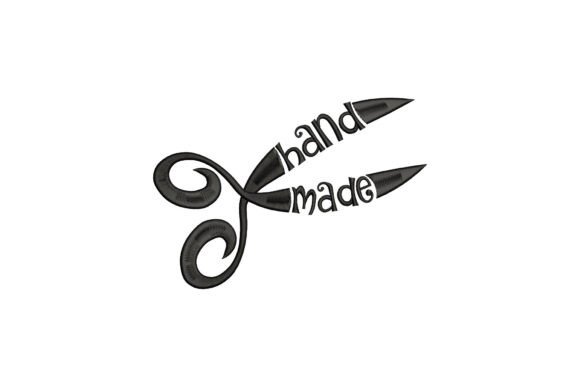
The first impression of Handmade Scissors is undeniably charming and functional. It strikes a balance between rustic utility and decorative flair. For those of us in the Sewing Crafts niche, scissors are more than just tools; they are symbols of our trade. This design feels like a nod to the traditional seamstress but with a modern, clean aesthetic that fits well in today's boutique maker scene. It does not scream "vintage" so loudly that it alienates modern buyers, nor is it so minimal that it gets lost on a busy booth table.
Visual Impact on Market Products
When setting up a craft fair booth, visual hierarchy is everything. You need items that draw the eye from three feet away. I tested the Handmade Scissors concept across several potential craft fair product candidates. Here is how it performs:
- Tote Bags: As a tote bag design, this motif shines. Placed centrally on a canvas tote, it acts as a perfect focal point. The shape of the scissors provides strong negative space, making it readable even from a distance.
- Aprons: For apron embroidery, placing this design on the bib or the pocket adds a professional touch. It tells the customer immediately that this apron is for someone who loves to create.
- Kitchen Linens: On tea towels, the design offers a lovely tea towel embroidery option. However, one must be careful with fabric texture. Terry cloth or waffle weave can obscure fine details, so a smooth linen or cotton blend is preferable for clarity.
- Patches and Pouches: Scaled down for an embroidered patch or a small fabric pouch, the design retains its identity. It becomes a cute accent rather than a statement piece, perfect for add-on sales at the checkout counter.
The versatility of this machine embroidery design allows it to bridge the gap between home decor and fashion accessories. Whether you are an Etsy seller looking to expand your catalog or a local vendor filling a booth, this motif adapts well to various substrates.
Production Practicality for Batch Selling
Running a successful embroidery business is not just about art; it is about efficiency. Can you produce this design repeatedly without losing your mind? The Handmade Scissors design appears to have a logical stitch path. For batch production, consistency is key. If the design relies heavily on complex fill patterns, it may require frequent thread breaks or trims, slowing down your output.
From a photographer's perspective, this design is a winner for creating a printable mockup or listing photos. The distinct silhouette of the scissors photographs beautifully against contrasting backgrounds. High-quality images are crucial for online listings, and a design with clear lines and defined shapes tends to convert better than muddy, overly dense artwork.
However, we must discuss stitch density. If the handles of the scissors are filled too densely, they may become stiff and puckered, especially on lighter fabrics. A satin stitch border with a lighter fill often yields a softer, more premium finished product. Always check the thread colors suggested in the file. While metallic threads can add sparkle to the blade, they can be temperamental during high-speed stitching. Stick to reliable rayon or polyester threads for market goods that need to withstand washing.
Critical Considerations Before Hooping
Before you commit to stitching fifty units for the fair, there are technical hurdles to clear. Every experienced designer knows that a file looks different on the screen than it does on the hoop. Here are my specific notes for executing Handmade Scissors:
- Fabric Compatibility: Test the design on scrap fabric first. What looks great on broadcloth might sink into a thick towel. Ensure your stabilizer choice matches the fabric weight. Cut-away stabilizer is usually safer for items that will be washed frequently.
- Hoop Size Constraints: Verify the required hoop size. If the design is large, ensure your machine can handle it without re-hooping, which introduces alignment errors. For caps, the curved surface requires a specific cap frame and potentially a simplified version of the design to prevent distortion.
- Detail Clarity: Tiny details, such as the screw in the center of the scissors or small text elements, can vanish if the design is resized too small. If you plan to use this as a small accent on a pocket, ensure the commercial embroidery file allows for reduction without losing definition.
- Color Contrast: On dark fabrics, ensure the thread colors pop. A silver blade on a black tote looks sleek, but if the thread is too similar in tone to the fabric, the design will fail to grab attention.
It is vital to remember that the product description mentions adding "beauty and texture." To achieve this, pay attention to the underlay stitches. Good underlay prevents the top stitches from sinking into the pile of the fabric, maintaining that crisp, handmade quality that customers pay extra for.
Maximizing Sales and Brand Consistency
How does Handmade Scissors affect your brand? If your booth is themed around crafting, sewing, or DIY culture, this design reinforces your brand identity instantly. It creates a cohesive look when paired with other design assets like spools of thread or measuring tapes. Consistency builds trust; when a customer sees a well-executed design on a tote, they assume the same care went into the pillow covers and patches.
For the Etsy seller or digital creator, this design serves as a strong hook. It appeals to the "maker" demographic who appreciate the meta-nature of wearing or using a tool of their trade. It suggests that the creator understands the user's passion. This emotional connection drives buyer engagement and can justify a higher price point for your handmade product.
Finally, a word on licensing. The description hints at this being a machine embroidery design intended for various projects. However, never assume. Always confirm commercial licensing terms before selling finished products. Some designers allow unlimited physical sales but restrict digital redistribution. Protecting your business means respecting these boundaries.
In conclusion, Handmade Scissors is a robust contender for your next market lineup. It offers strong visual appeal, works across a variety of popular items like aprons and totes, and carries a thematic weight that resonates with craft lovers. By paying attention to stitch density, fabric choice, and stabilization, you can turn this simple motif into a bestseller. Get your samples ready, check your tension, and prepare to show off some serious needlework skill.