Mary Joseph Jesus Nativity Coquette Design Review
As an embroidery designer who spends most of my days digitizing logos and testing files for small business clients, I approach every new machine embroidery design with a critical eye. It is not just about whether the image looks cute on a screen; it is about how that digital embroidery file translates into thread on fabric, how it holds up after fifty washes, and whether it elevates a brand's identity. Recently, I had the opportunity to review the Mary Joseph Jesus Nativity Coquette design, specifically evaluating its potential for branded merchandise, staff uniforms, and seasonal product lines for faith-based boutiques and creative studios.
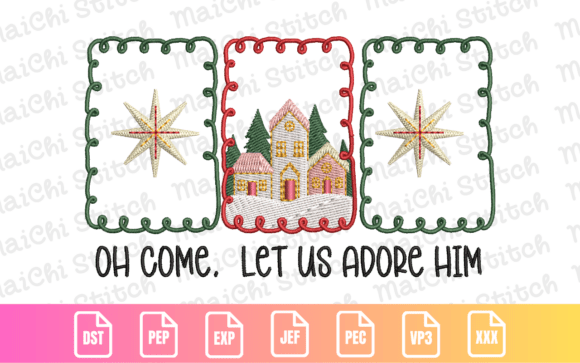
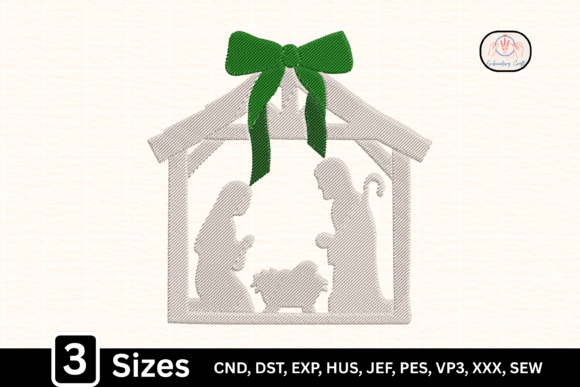
The first impression of this design is striking because it bridges two very different worlds: the sacred tradition of the Nativity and the trendy, soft aesthetic of the "coquette" style. For small business owners in the Religion Faith niche, this is a goldmine. The silhouette of Mary, Joseph, and Jesus provides the classic, reverent core of the image, while the coquette elements—likely bows, soft curves, or delicate framing—add a layer of modern approachability. This combination feels both elegant and playful, making it suitable for a wide demographic ranging from young mothers to boutique shoppers looking for something unique. It avoids feeling overly rustic or stiff, instead offering a handmade product vibe that feels premium yet accessible.
Real-World Application for Small Business Merch
When considering where to deploy the Mary Joseph Jesus Nativity Coquette design, the possibilities for small business merch are extensive. I envision this working beautifully as an embroidered patch for local cafés or bakeries that want to offer limited-edition holiday items. A patch allows for versatility; a customer can buy a tote bag with the patch already attached, or purchase the patch separately to iron onto a denim jacket or backpack. This modularity increases the perceived value of the finished product.
For apparel decorators, this design is ideal for custom apparel such as staff t-shirts or hoodies. Because the design relies on silhouettes, it avoids the clutter that often plagues complex nativity scenes, ensuring it remains legible even when scaled down for a left-chest logo. Imagine a Christian bookstore or a floral shop using this on their team's apron embroidery. It serves as a subtle nod to the season without being overpowering, maintaining a professional look while celebrating the true meaning of Christmas.
Furthermore, the design shines in the realm of cap embroidery. The curved surface of a baseball cap or beanie can be tricky for detailed designs, but the strong outlines of the holy family silhouette should translate well here. It could serve as a standout feature on a winter collection for a youth ministry or a faith-based clothing brand. Additionally, for Etsy sellers and crafters, this embroidery file is perfect for creating tote bag design options. The contrast between the thread colors and the canvas texture of a tote bag would highlight the coquette details, making it an attractive gift item during the holidays.
Technical Considerations and Production Challenges
While the aesthetic appeal is high, any experienced embroiderer knows that beauty must be backed by technical stability. When reviewing the Mary Joseph Jesus Nativity Coquette for commercial use, there are specific areas where caution is required. The primary concern with silhouette designs mixed with delicate coquette elements is stitch density. If the bows or decorative flourishes are too fine, they may get lost or cause puckering, especially on stretchy fabrics like jersey knits used in t-shirts.
Small business owners must test this design on various fabric texture types before committing to a large run. On dark uniforms, the contrast of the thread colors becomes critical. If the silhouette is solid black or navy, it needs a sharp underlay to prevent the fabric grain from showing through and ruining the smooth look of the holy figures. Conversely, if the design uses lighter threads for the coquette accents, one must ensure there is enough coverage to prevent the garment color from bleeding through.
Another factor is the hoop size relative to the detail level. If you are attempting to place this on a small item, like a child's onesie or a narrow cuff, the intricate parts of the coquette styling might merge together. It is vital to check the minimum recommended size provided with the file. Additionally, for items that will undergo frequent washing, such as staff aprons or daily-wear caps, the use of a high-quality stabilizer is non-negotiable. Without proper stabilization, the dense areas of the silhouette could pull the fabric, distorting the sacred imagery over time.
Impact on Brand Identity and Customer Trust
In the current market, visual consistency is key to building brand identity. Using a design like Mary Joseph Jesus Nativity Coquette signals that a business is attentive to trends while remaining grounded in its values. For a handmade brand, this design enhances the perception of quality. It tells the customer that the business cares about the details, moving beyond generic clipart to something that feels curated and thoughtful.
This attention to detail fosters customer trust. When a client sees a clean, well-executed embroidered logo on a product, they subconsciously associate that precision with the reliability of the business itself. Whether it is used as a product label, a packaging accent, or a standalone gift, the design acts as a silent ambassador for the brand. It encourages buyer engagement because it is visually distinct; in a sea of standard red-and-green holiday motifs, the coquette twist offers a fresh perspective that invites closer inspection and conversation.
Professional Designer Notes for Implementation
Before launching this design into your commercial embroidery workflow, I recommend a rigorous testing protocol. First, stitch the design out in black and white only. This removes the distraction of color and allows you to see the structural integrity of the stitches and the clarity of the silhouettes. Check if the design holds its shape at the smallest intended patch size.
Next, review the spacing between the holy family figures and the coquette embellishments. Ensure there is enough breathing room so the threads do not crowd each other. Confirm the hoop size matches your machine's capabilities and that the design fits within the safe stitching area. Always test on the actual fabric you intend to use for the final run, as a design that looks perfect on twill might behave differently on a textured linen or a soft fleece.
Create a printable mockup for client approval before cutting into expensive inventory. Compare this design beside your other seasonal design assets to ensure it complements your existing collection rather than clashing with it. Finally, and perhaps most importantly, confirm the commercial licensing terms. Since this is a digital product intended for resale or branding, you must verify that the license allows for use on goods for sale. The description mentions it is a file for celebration, but explicit commercial rights should be checked to protect your business legally.
In conclusion, the Mary Joseph Jesus Nativity Coquette is a versatile and emotionally resonant asset for any business operating at the intersection of faith and lifestyle. With careful attention to technical execution and strategic placement, it can become a cornerstone of a successful holiday merchandise line, bringing both aesthetic joy and professional polish to your brand.