Folk Art Bird – Country Style Embroidery Review
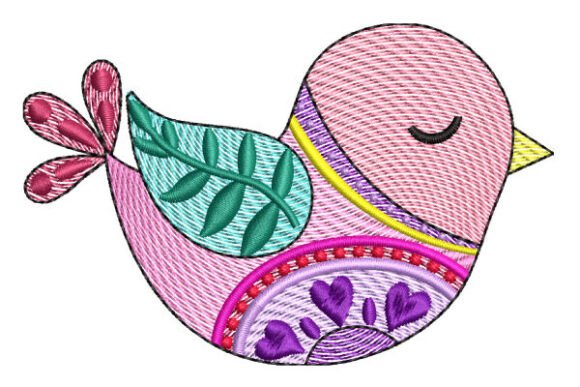
As an embroidery designer who spends countless hours digitizing and testing files for small business clients, I approach every new machine embroidery design with a critical eye. It is not enough for a file to look pretty on a screen; it must perform under the needle, withstand industrial washing, and elevate a brand's identity. Today, I am reviewing the Folk Art Bird – Country Style Embroidery. This decorative bird in charming country style brings a warm, handcrafted touch to any project, but does it have the structural integrity required for commercial merchandise? Let's dive into how this design functions as a serious business asset for boutiques, cafés, and creative studios.
Visual Personality and First Impressions
Upon loading the digital embroidery file, the immediate impression is one of rustic warmth and approachability. The design leans heavily into traditional folk art aesthetics, utilizing bold shapes and a playful yet classic silhouette. For a small business owner, this visual language is powerful. It signals "handmade" without looking amateurish. In a market saturated with sleek, modern minimalism, the Folk Art Bird – Country Style Embroidery offers a distinct counter-narrative. It feels organic, grounded, and friendly.
This specific aesthetic is ideal for brands that want to project authenticity. Think of a local bakery wanting to move away from corporate sterility or a florist aiming to emphasize their connection to nature. The design does not scream "luxury" in the high-fashion sense, but it exudes a premium, artisanal quality that resonates deeply with consumers seeking unique, handmade product experiences. The charm lies in its simplicity, which often translates well to various mediums, provided the digitizing supports the intended application.
Real-World Business Applications
The true test of any embroidery asset is its versatility across different products. I evaluated the Folk Art Bird – Country Style Embroidery for several common small business merch scenarios. For embroidered patch production, this design is a standout candidate. The defined outlines and solid fill areas typical of folk art styles usually translate exceptionally well to merrowed or laser-cut patches. A café could use these as loyalty rewards or sell them as standalone accessories.
When considering apron embroidery for staff uniforms, this bird design adds a delightful touch to the chest or pocket area. It breaks up the monotony of solid-colored uniforms and gives staff a sense of individuality while maintaining brand consistency. Similarly, for tote bag design, the rustic theme pairs perfectly with canvas or heavy cotton materials. The design acts as a central focal point that elevates a simple bag into a branded statement piece.
I also see strong potential for cap embroidery. However, caps require careful consideration due to the curved surface. If the design elements are too wide or dense, they may pucker on a structured front panel. Assuming the digitizing accounts for push-and-pull factors, this bird could serve as an excellent side-logo or a subtle front accent for a boutique's summer collection. Furthermore, for Etsy sellers and crafters, using this motif on product packaging accents or as a sewn-on label can significantly increase the perceived value of the finished product.
Critical Considerations for Production
While the artistic merit is high, practical execution requires vigilance. There are specific scenarios where the Folk Art Bird – Country Style Embroidery should be used carefully. First, consider stitch density. Folk art designs sometimes rely on heavy satin columns or dense fills to achieve a solid look. If the density is too high for lightweight fabrics like linen or thin poly-cotton blends, the fabric may pucker or tear. Always test on the actual fabric you intend to use before committing to a large run.
Size is another crucial factor. If you plan to shrink this design for a tiny sleeve detail or a small collar tag, ensure the fine details do not collapse. Tiny lettering combined with intricate bird features can become a muddy mess if the resolution isn't there. Additionally, be mindful of thread colors when working on dark uniforms. The original description suggests a charming, likely colorful palette. If your brand colors require a monochromatic look, verify that the design holds its shape and recognizability when stitched in a single color or high-contrast black and white.
Textured fabric also presents a challenge. Towels, waffle weaves, or coarse wool can distort the clean lines of folk art. In these cases, a appropriate stabilizer is non-negotiable. You may need a cut-away stabilizer rather than tear-away to support the design long-term, especially for items that will undergo frequent washing, such as kitchen textiles or work shirts.
Impact on Brand Identity and Customer Trust
Incorporating the Folk Art Bird – Country Style Embroidery into your collateral does more than just decorate an item; it shapes brand identity. Consistency is key to customer trust. When a customer sees this same bird on your website, your shop signage, and embroidered on the tote bag they purchased, it creates a cohesive narrative. This visual consistency fosters recognition and professionalism.
For handmade brands, the "imperfect" perfection of folk art validates the human element of the business. It tells the customer that a person, not just a machine, was involved in the creation process. This emotional connection drives buyer engagement and can justify a higher price point. It transforms a commodity into a story. Whether used as a logo accent or a standalone graphic, this design helps small businesses differentiate themselves from mass-market competitors by emphasizing craftsmanship and heritage.
Professional Designer Notes and Best Practices
Before integrating this design into your commercial workflow, I recommend a strict testing protocol. First, test it in black and white. This strips away the distraction of color and reveals whether the structure of the bird is sound. If it looks good in one thread color, it will likely work in many. Next, check if it works at small patch size. Scale the preview down to one inch; if the details vanish, you may need to request a simplified version from the designer or limit its use to larger applications.
Always review thread color contrast against your specific garment colors. A design that pops on white might disappear on navy blue. Inspect spacing between elements to ensure no bridging issues occur during stitching. Confirm the required hoop size matches your machine's capabilities; while the description mentions kitchen textiles which imply larger hoops, cap frames require specific compatibility.
Crucially, create a mockup for client approval using a printable mockup tool before stitching a single thread. This saves time and material. Compare the design beside your other design assets to ensure it complements rather than clashes with your existing logo suite. Finally, and most importantly, confirm commercial licensing before business use. The product description highlights its suitability for various projects, but you must ensure the license covers resale of finished goods or merchandise, especially if you are an embroidery shop producing for third-party clients.
Note that specific technical details like exact stitch count, specific file formats (PES, DST, EXP), and precise hoop dimensions were not provided in the initial product data. You must check these details with the vendor before production to avoid compatibility issues with your embroidery machines.
In conclusion, the Folk Art Bird – Country Style Embroidery is a versatile and charming asset for the right brand. With careful attention to fabric selection, stabilization, and sizing, it can become a cornerstone of a small business's visual identity, bringing warmth and professionalism to everything from staff aprons to limited edition patches.